

Best Time to Visit Almaty for Every Traveler
The best time to visit Almaty is June through September for hiking and warm city days, or December through March if you came to ski. Everything else about your trip, from how much you pay to how crowded the trails feel, follows from that single choice. Almaty sits at the foot of the Tien Shan mountains with a sharp continental climate, so the same destination can mean alpine wildflowers or a snow-packed slope depending on the month you land.
This guide breaks the year into seasons, points to the right months for mountains, snow, and savings, and helps you line up your dates with what you actually want to do.
The best time to visit Almaty, weather season by season
Almaty has four distinct seasons and a wide temperature swing across the year. Based on 1991 to 2020 data, July is the warmest month with a mean temperature of 24.6 degrees Celsius, while January is the coldest with a mean of -3.8 degrees Celsius, according to Climates to Travel. Extremes reach much further: the city has recorded a high of 43.5 degrees Celsius in July 1983 and a low of -27.8 degrees Celsius in January 2018.
Here is how the seasons feel on the ground:
- Spring (March to May): Snow retreats from the city while peaks stay white. Days warm quickly, fruit trees bloom, and lower trails open up. Afternoons can be wet, so pack layers.
- Summer (June to August): Warm, mostly dry, and long on daylight. The city gets hot in midsummer, but the nearby mountains stay comfortable, which is why locals head uphill.
- Autumn (September to November): Clear, crisp, and gold. September is one of the most pleasant months of the year, with stable weather and thinning crowds.
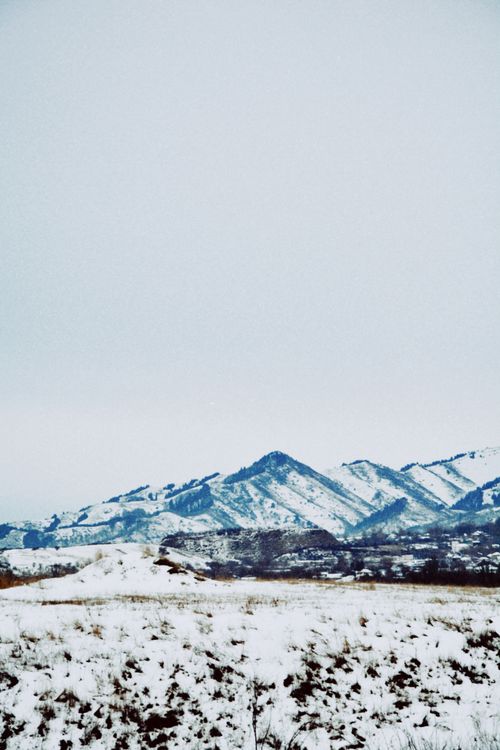
- Winter (December to February): Cold and often bright. Snow settles on the slopes above town, and the ski and skating season runs in full.
Because the mountains climb thousands of meters above the city, conditions change fast with altitude. A warm afternoon in the center can sit above a snow line just a short drive away.
Best months for hiking the Tien Shan mountains
The reliable hiking window in the Tien Shan near Almaty runs from June through September, when mid-elevation trails are clear of snow and streams are fed by melt. July and August are the warmest and driest, which makes them the safest bet for multi-day routes and high passes. Early June can still hold snow on the upper sections, and by mid-October the higher trails start closing again.
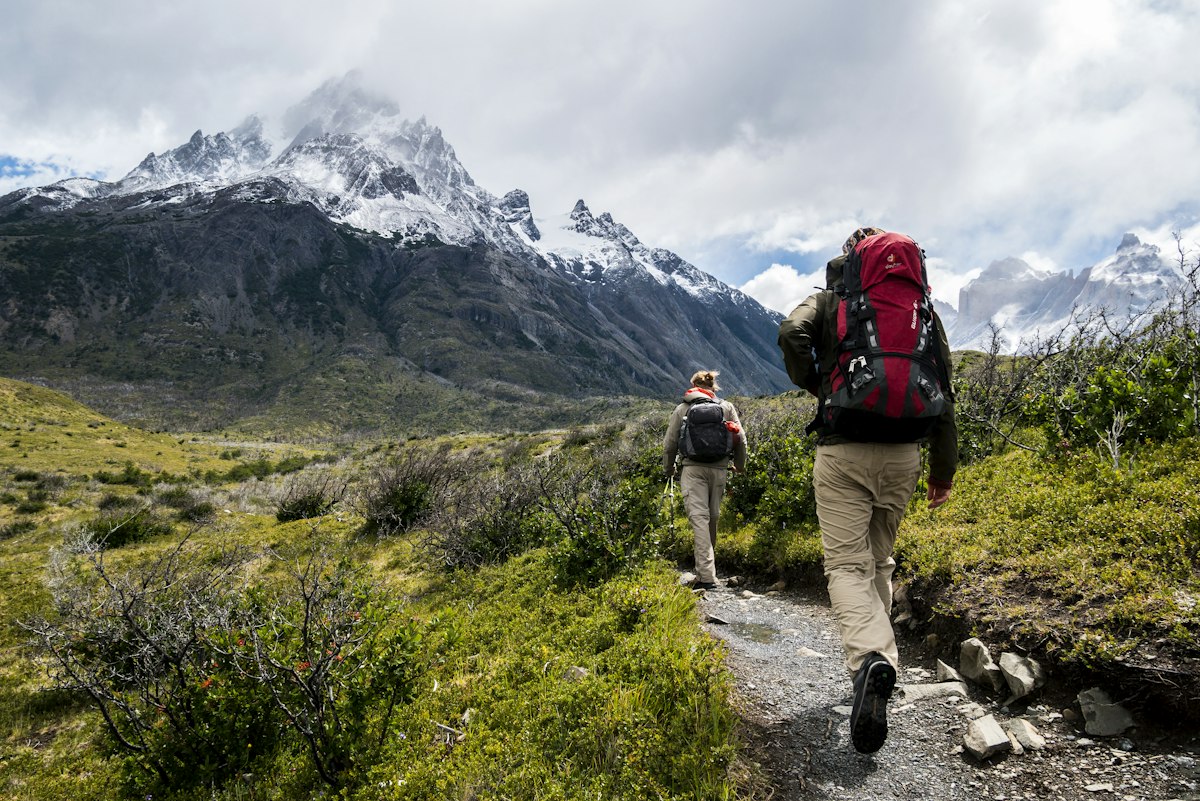
This is the season for the region's signature destinations. The turquoise terraces of the Kolsai Lakes and the eerie submerged forest of Kaindy Lake sit at high altitude in a national park southeast of the city, and both are at their best once the trails dry out. If you are planning that route, the Kolsai Lakes hiking guide for travelers covers the trail conditions and timing in detail.
A few planning notes for mountain months:
- Start high-altitude hikes early in the day to avoid afternoon storms.
- Carry warm layers even in July; nights at elevation are cold year round.
- Shoulder dates in late May or early October work for lower trails but gamble on snow higher up.
Charyn Canyon, lower and drier than the alpine lakes, has a longer usable season and is comfortable from spring through autumn, with midsummer midday heat the main thing to plan around.
Winter sports season at Chymbulak and Medeo
Winter is the second peak season, built around two landmarks in the gorge above the city. Chymbulak is Kazakhstan's main alpine ski resort, set high in the mountains a short cable-car ride from the Medeo complex, and its season typically runs from late November into April, with the most dependable snow from December through February. Just below it, Medeo is a famous high-altitude outdoor skating rink that has hosted decades of international speed-skating records.
For skiers and snowboarders, January and February deliver the deepest, most reliable snowpack. December is excellent for early-season turns and holiday atmosphere, while March and early April bring softer spring conditions and longer, warmer days on the slopes. Both sites are close enough to the center that you can ski or skate and still sleep in the city, which makes Almaty an unusually convenient winter base.
Non-skiers are not left out in winter. The clear cold days are good for sightseeing, the skating rink is open to the public, and the mountain setting is dramatic under snow. A guided day trip takes the guesswork out of transport and lift logistics; the Kazakhstan guided tours overview explains how a hosted winter day usually runs.
Shoulder seasons for fewer crowds and lower prices
The shoulder seasons, roughly late April to May and September to mid-October, are the value sweet spot for Almaty. Flights and guided tours cost less than in the summer and winter peaks, popular trailheads and viewpoints are quieter, and the weather stays genuinely pleasant. Spring brings blossom and green foothills, while autumn delivers stable, golden days that many returning visitors rate as the best of the year.
The trade-off is access. In spring, the highest alpine lakes and passes may still be under snow, so the grandest routes can be off the table even when the city feels like summer. In autumn, the reverse risk appears late in the window, as the first snows begin to close higher trails. If your heart is set on a specific high-altitude hike, confirm current conditions before you commit to shoulder-season dates.
For travelers who care more about culture, food, and city life than summiting a pass, these months are close to ideal: comfortable sightseeing, open terraces, and far shorter queues.
How to match your trip goals to the right month
Pick your single most important goal, then let it choose your month rather than the other way around:
- Hiking the high lakes and passes: July or August, with June and September as strong alternatives.
- Skiing or snowboarding: January or February for snow, December for atmosphere, March for spring conditions.
- Lowest prices and fewest crowds: May or late September.
- City breaks, food, and culture: May, September, or a clear winter week if you also want snow scenery.
- A bit of everything: Early September, when trails are still open, the weather is settled, and crowds have thinned.
Once the month is set, build the rest of the trip around it, including which excursions are even possible on those dates. A local operator who knows the current trail and road conditions is the fastest way to avoid booking a hike that is still snowed in or a canyon trip in peak heat. If you want that handled end to end, Travel in Almaty builds guided itineraries and hosting around your travel dates, so the timing works in your favor instead of against it. Start by choosing the one experience you most want, confirm its season against this guide, and lock your dates there first.
Frequently asked questions
What is the overall best time to visit Almaty?
For most travelers, late May through September offers the widest range of open trails, warm days, and reliable access to the mountain lakes. Choose December through March instead if skiing is your priority.
When is hiking season in the Tien Shan mountains near Almaty?
Trails are generally snow-free and accessible from June through September. July and August are the warmest and driest, while higher passes may still hold snow in early June.
When can I ski at Chymbulak?
The Chymbulak ski season typically runs from late November into April, with the most dependable snow between December and February.
Is Almaty expensive to visit in summer?
Summer is peak season, so flights and guided tours cost more and book out earlier. Traveling in May or late September usually lowers prices while keeping the weather pleasant.
Can I visit Almaty in winter for sightseeing rather than skiing?
Yes. Winter days are cold but often clear, the city is lively, and the Medeo rink and Chymbulak slopes are a short trip from the center, so non-skiers still have plenty to do.