

Kolsai Lakes Hiking Guide for Travelers
Kolsai Lakes hiking means walking a forested valley that climbs past three alpine lakes stacked up a mountain staircase in the Northern Tien Shan. Most travelers can reach the first two lakes comfortably, while the third rewards those willing to camp a night at altitude. This guide covers the trail, distances, the nearby Kaindy Lake add-on, where to sleep, and what to pack.
The lakes sit inside Kolsai Lakes National Park, about 300 km east of Almaty. They are one of Kazakhstan's signature mountain destinations, and the drive alone, winding past steppe and foothills, sets the tone for the trek ahead.
What Are the Three Kolsai Lakes?
The three Kolsai Lakes rise in sequence at roughly 1,818 m, 2,252 m, and 2,700 m above sea level in the Northern Tien Shan (Kolsay Lakes National Park, Wikipedia, retrieved 2026-11-05). Each lake sits higher and feels more remote than the last, so the walk doubles as a slow gain in altitude through spruce forest and open meadow.
The lowest lake is the easiest to reach. A road runs almost to its shore, so families and casual visitors often stop here, rent a rowboat, and go no further. The water is cold and clear, ringed by dark Tien Shan spruce.
The middle lake draws most hikers who want a real trail day. The upper lake is the quiet one, close to the Kyrgyzstan border, and it demands commitment. Think of the three lakes as beginner, intermediate, and advanced stages of the same valley.
How Hard Is the Trail Between the Lakes?
The hike from the first to the second Kolsai lake is a moderate forest climb that gains a few hundred meters over several hours, and the push to the third lake is the hardest leg of the route. Fit day hikers reach the second lake and return before dark, but the upper lake sits far enough that camping becomes the sensible choice.
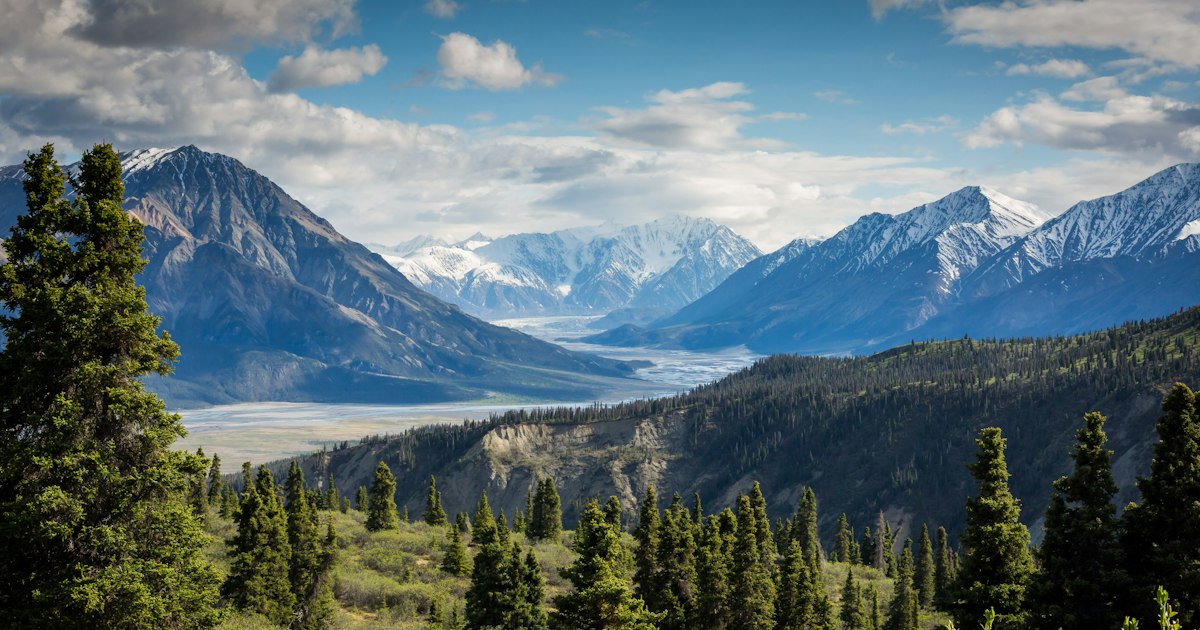
Expect a steady uphill grade rather than technical scrambling. The path follows the valley through trees, crosses streams, and opens into grassy clearings. Altitude is the real difficulty here. By the third lake you are near 2,700 m, where thinner air slows even strong walkers.
Plan your day around the turnaround. If you only have daylight, treat the second lake as your goal and enjoy a long lunch before heading back. If you carry a tent, the third lake and its silence are worth the extra effort. For a sense of how a nearby Kazakhstan day hike compares in effort and logistics, the Charyn Canyon day trip guide is a useful companion read.
Should You Combine Kolsai With Kaindy Lake?
Pairing Kolsai with Kaindy Lake is the most popular way to see this corner of Kazakhstan, because both sit near the same base village. Kaindy Lake sits a little lower than the upper Kolsai lakes and is a modest size: a few hundred meters long and deep enough for the submerged trees to stand well below the surface.
Kaindy is famous for a feature you will not see at Kolsai. The lake formed in 1911 after an earthquake triggered a landslide that dammed the valley and flooded a stand of spruce. The trees died but did not rot in the cold water, so their bare trunks still rise above the surface like submerged masts. Beneath the waterline, preserved branches create an eerie sunken forest that draws divers and photographers.
The two destinations complement each other well. Kolsai is about the hike and the layered alpine lakes. Kaindy is a shorter walk with a strange, singular payoff. Most itineraries give Kaindy a half day and Kolsai a full day, which is why a single rushed trip from the city rarely does either justice.
Where Should You Stay Overnight?
Saty village is the practical base for both lakes, and guesthouses there make the two-day plan work. Staying overnight turns a punishing round trip into a relaxed weekend, since the lakes are a long drive from the city, roughly five to six hours each way.
Homestays in Saty are simple and warm. Expect a bed, home-cooked meals, and hosts who can arrange transport up the rough tracks to Kaindy and to the first Kolsai lake. These vehicle transfers matter: the final approaches are rough enough that an ordinary car struggles, and a local driver saves hours.
Higher up, camping is the other option. Many hikers pitch near the first lake and start early for the second and third the next morning. If you prefer not to sort drivers, permits, and homestay bookings yourself, Travelinalmaty arranges guided Kolsai and Kaindy trips with hosting and transport handled end to end, which removes most of the friction from a two-day plan.
What Gear Keeps Kolsai Lakes Hiking Safe?
Pack for mountain weather that shifts fast, even in summer, because the valley climbs toward 2,700 m where conditions change without warning. Layered clothing, waterproof boots, a reliable rain shell, and sun protection are the non-negotiable basics for any Kolsai Lakes hiking day.
Bring enough water or a way to treat stream water, plus high-energy food. A basic first aid kit, a headlamp, and a power bank cover the common gaps. If you plan to reach the third lake, add a proper sleeping bag rated for cold nights and a tent that handles wind.
Build in a buffer day. Weather can close the higher trail, and the long drive back to Almaty punishes a tight schedule. Tell someone your route, start early, and respect the altitude by pacing your climb and hydrating often. Planning the wider trip around these lakes is easier when you compare structured options first, which is why reviewing how to choose an Almaty tour operator before you book pays off.
When Is the Best Time to Go?
The main hiking window runs from late spring through early autumn, roughly April to October, when the trails are clear and the passes are open. Summer offers the warmest, driest conditions and the most reliable access to all three lakes. Snow lingers around the upper lake well into the season, so early visitors sometimes find the top of the valley still locked in white.
Shoulder months carry trade-offs. Late spring brings green meadows and strong snowmelt streams, which can swell the crossings between lakes. Early autumn delivers crisp air, golden larch and spruce color, and thinner crowds, though nights turn cold quickly at altitude. Each window suits a different kind of traveler.
Weekends draw the most Almaty day-trippers to the first lake, so an early start or a midweek visit buys you quieter shores. If photography is the goal, the soft light of early morning on the still water is worth the pre-dawn alarm. Whatever month you choose, treat the weather forecast as a rough guide rather than a promise, because the Tien Shan writes its own rules.
Start Planning Your Kolsai Trek
Pick your window first: block two days rather than one, aim for the warmer months, and decide early whether the third lake and an overnight camp are part of your goal. Once the dates are set, line up transport and a Saty homestay, then confirm your gear list against the altitude you intend to reach. From there, the valley does the rest.
Frequently asked questions
How hard is the Kolsai Lakes hike?
The first lake needs no hiking; you can drive almost to the shore. The climb to the second lake is moderate and gains a few hundred meters over forested trail, while the third lake adds a demanding stretch best split across two days.
Can you visit Kolsai and Kaindy lakes in one trip?
Yes. Both sit near Saty village, so most travelers combine them. A common pattern is one day at Kaindy and its sunken forest, then a second day hiking between the Kolsai lakes from a local homestay.
How far are the Kolsai Lakes from Almaty?
The lakes are roughly 300 km east of Almaty, which is a five to six hour drive each way via Saty village. That distance is why many visitors stay overnight rather than attempt a single long day trip.
When is the best time to hike Kolsai Lakes?
The main hiking window runs from late spring through early autumn, roughly April to October. Summer brings the warmest trails, while higher snow lingers around the third lake well into the season.
Do you need a guide for Kolsai Lakes?
The lower trails are well trodden and signposted, so confident hikers manage the first two lakes alone. A guide helps most with transport logistics, the third lake, and combining Kolsai with Kaindy on a tight schedule.