

Kazakhstan Guided Tours: What to Expect
A guided tour in Kazakhstan typically pairs you with a licensed local driver-guide who handles transport, permits and timing while you focus on the scenery. Most itineraries start in Almaty and run from a half-day city walk to a week-long expedition across mountains, canyons and open steppe.
Kazakhstan has become a genuine travel destination rather than a transit stop. In 2025 the country recorded 15.7 million foreign visitors, of whom 11.1 million were classified as tourists who spent $2.9 billion (KazTAG, 2026). This guide explains what Kazakhstan guided tours include, what a local guide adds, and how to choose one with confidence.
What Types of Guided Tours Are Available Across Kazakhstan?
Kazakhstan guided tours fall into a handful of clear categories, and the growth in demand is real: visitor numbers reached 15.3 million in 2024, with 10.4 million staying more than a day and an average stay of four days (Caspian Post, 2025). That longer stay is what makes structured, multi-stop touring worthwhile.
The main categories you will encounter:
- City and cultural tours. Half-day or full-day walks through Almaty, museums, bazaars and Soviet-era architecture.
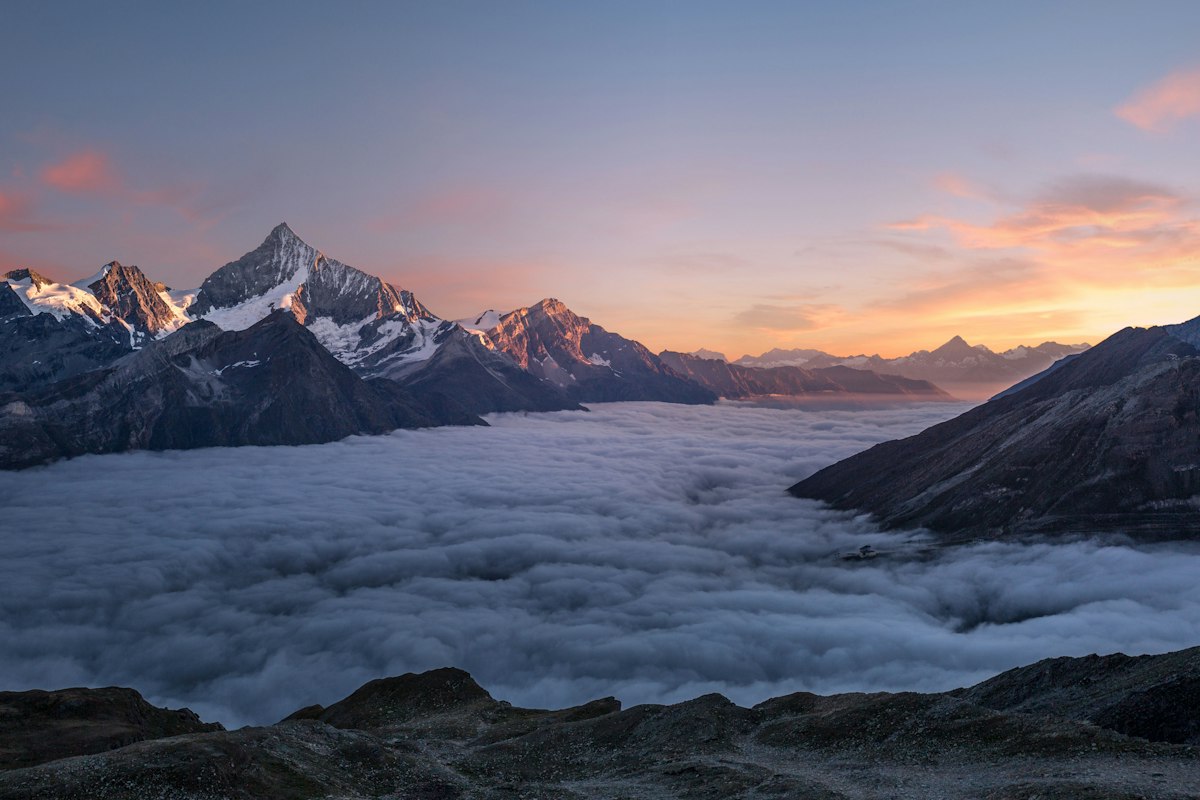
- Nature and mountain tours. Day trips to Big Almaty Lake, Shymbulak and the Tien Shan foothills.
- Canyon and lake expeditions. Longer trips to Charyn Canyon and the Kolsai and Kaindy lakes.
- Steppe and nomadic-culture tours. Yurt stays, eagle hunting demonstrations and open-country driving.
- Private tailored itineraries. Custom routes built around your dates, pace and interests.
Most of these depart from Almaty, the country's largest city and the practical base for southern Kazakhstan.
What Does a Professional Local Guide Add to Your Trip?
A professional local guide turns a complicated country into a smooth trip by owning the logistics you cannot easily manage from abroad. Kazakhstan is vast, roads to natural sites are uneven, and English is not widely spoken outside tourist hubs. A guide absorbs all of that friction.
Concretely, a good guide handles:
- Access and permits. Some border-zone and protected areas require paperwork and local knowledge to enter.
- Driving and road conditions. Rough tracks to canyons and lakes are far easier with an experienced driver.
- Language and culture. A guide interprets menus, customs and conversations you would otherwise miss.
- Timing. Locals know when a site is quiet, when light is best, and how long each leg really takes.
The payoff shows in how the country now rates globally. Kazakhstan climbed from 66th to 52nd place among 119 countries in the World Economic Forum travel and tourism index, a jump driven partly by better-organized tourism services (The Astana Times, 2026). Trained local operators are a visible part of that improvement.
From direct experience hosting visitors, the single most common feedback is that travelers underestimate drive times. A guide who plans realistic daily distances is worth more than any glossy brochure.
Day Tours Versus Multi-Day Expeditions From Almaty
The choice between a day tour and a multi-day expedition comes down to how far you want to get from Almaty and how much time you have. A day tour returns to the city each night; an expedition keeps moving, so it reaches landscapes a single day cannot cover.
Day tours work well for:
- Charyn Canyon, reachable as a long but doable day trip.
- Big Almaty Lake and the nearby observatory.
- City culture, food and markets for travelers on a tight schedule.
Multi-day expeditions make sense when you want:
- The Kolsai Lakes and Kaindy Lake, which reward an overnight stay.
- Combined canyon-and-lakes loops across the Almaty region.
- Steppe routes and yurt stays that sit far from any city.
For a focused single-site plan, our Charyn Canyon day trip guide walks through timing and what to pack. If lakes are your priority, the Kolsai area genuinely needs more than a rushed afternoon.
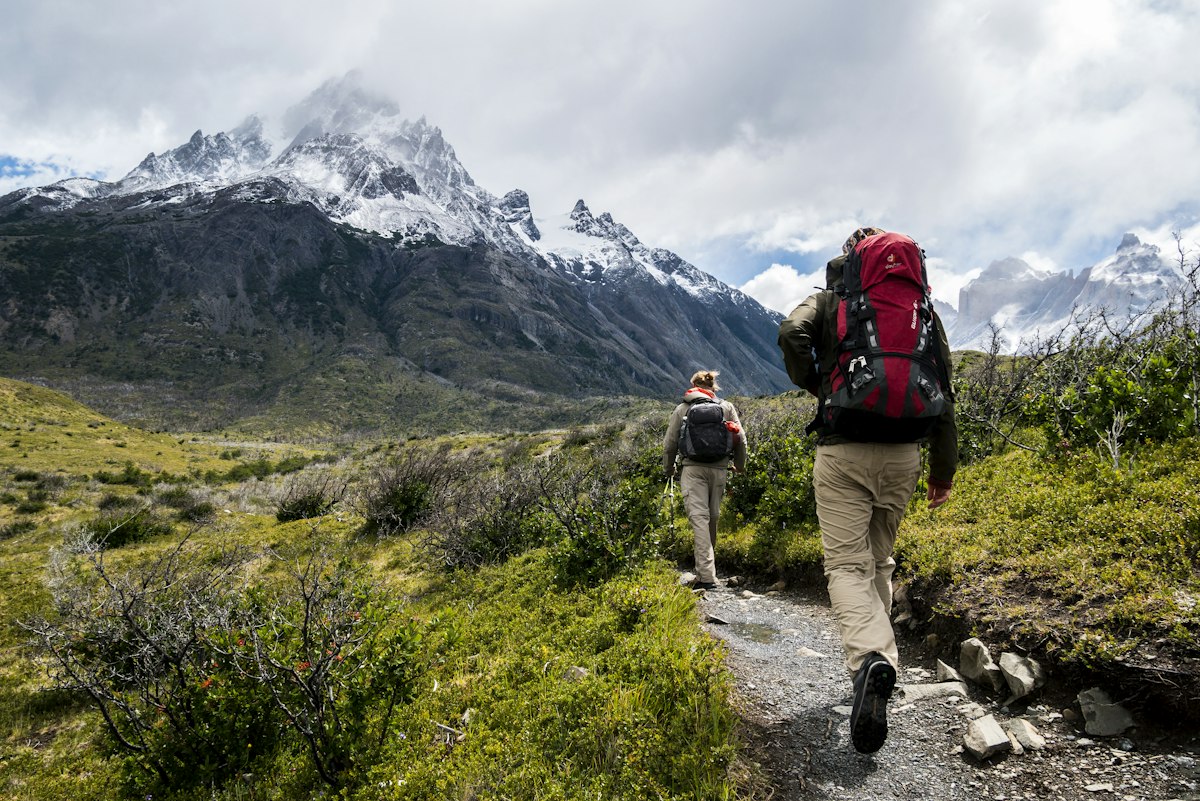
Travelers often try to fit Charyn and Kolsai into one day. In practice the roads and the walking do not allow it without cutting both short. Splitting them across two days is the honest recommendation.
Group Sizes, Inclusions and Typical Itineraries
Group size and inclusions vary widely between operators, and the gap is exactly where a weak tour and a strong one separate. With foreign spending reaching $2.9 billion in 2025, the market has matured enough that you should expect clear, written inclusions rather than a vague lump-sum price (KazTAG, 2026).
Typical group formats:
- Private tours. One to six guests, flexible pace, higher per-person cost.
- Small-group tours. Roughly six to twelve guests, shared cost, fixed route.
- Large coach tours. Lower price, less flexibility, limited time at each stop.
Inclusions to confirm in writing before booking:
- Transport and fuel.
- Guide fees and any entrance or permit charges.
- Meals, and which ones.
- Accommodation standard on multi-day trips.
- Insurance and what it covers.
A typical three-day southern itinerary might run Almaty to Charyn Canyon on day one, the Kolsai Lakes on day two, and Kaindy Lake with a return to Almaty on day three. China was the largest non-CIS source market in 2024 at 655,000 visitors, so popular sites can get busy; a good itinerary builds in early starts to stay ahead of the crowds (Caspian Post, 2025).
How Do You Book a Guided Tour With a Trusted Local Company?
Book with a licensed local operator that publishes group sizes, inclusions and sample itineraries openly, and that answers specific questions quickly. Vague pricing and slow replies are the clearest early warning signs of a weak provider.
A short checklist before you commit:
- Confirm the operator is locally based and licensed.
- Read the written inclusions, not just the headline price.
- Ask about group size and whether the tour is private or shared.
- Check cancellation and refund terms.
- Look for recent, specific reviews rather than generic praise.
Travelinalmaty operates as a local company offering guided tours and elite hosting across Almaty and wider Kazakhstan, which means the people planning your route are the people who drive it. For a structured comparison of what separates strong operators from weak ones, see our guide on choosing the best Almaty tour operator.
The practical next step is simple: decide whether you want a single day out or a multi-day expedition, then send a prospective operator your exact travel dates and ask for a written itinerary with inclusions. The quality of that first reply tells you most of what you need to know.
Frequently asked questions
How much does a Kazakhstan guided tour cost?
Prices depend on duration, group size and transport. A shared day tour from Almaty costs far less per person than a private multi-day expedition. Ask any operator for a written breakdown of what the quoted price includes before you book.
Do I need a guide to travel in Kazakhstan?
You can travel independently in cities, but a guide adds real value in remote areas where roads, permits and language create friction. For Charyn Canyon, Kolsai Lakes and steppe routes, a local guide saves time and reduces risk.
When is the best time for a guided tour in Kazakhstan?
Late spring through early autumn, roughly May to September, offers the most reliable access to mountain lakes and canyon trails. Winter tours focus on city culture and nearby ski areas instead of high-altitude hiking.
What is the difference between a day tour and a multi-day expedition?
A day tour returns to Almaty the same evening and covers one main site. A multi-day expedition includes overnight stays, so it reaches several regions and remote landscapes that a single day cannot comfortably cover.
Are guided tours in Kazakhstan suitable for first-time visitors?
Yes. First-time visitors benefit most from a guide, who handles logistics, interprets local customs and builds a realistic itinerary. This lets newcomers focus on the landscapes and culture rather than navigation and paperwork.