
Top Things to Do in Almaty
The best things to do in Almaty split into two halves: a flat, leafy city center you can walk in a morning, and a wall of snow-capped mountains you can reach in under an hour. That mix is what makes the city unusual. You can browse a bustling bazaar at breakfast and stand on a glacier-fed lake by mid-afternoon.
Almaty was Kazakhstan's capital until 1997 and remains its largest city and cultural heart. For travelers, that means Soviet-era architecture, Orthodox churches, serious food, and some of Central Asia's most accessible alpine terrain, all in one place. This guide walks through the landmarks, the mountain escapes, the markets and museums, the food scene, and how to fit the highlights into a short stay.
Which landmarks should you see in the city center?
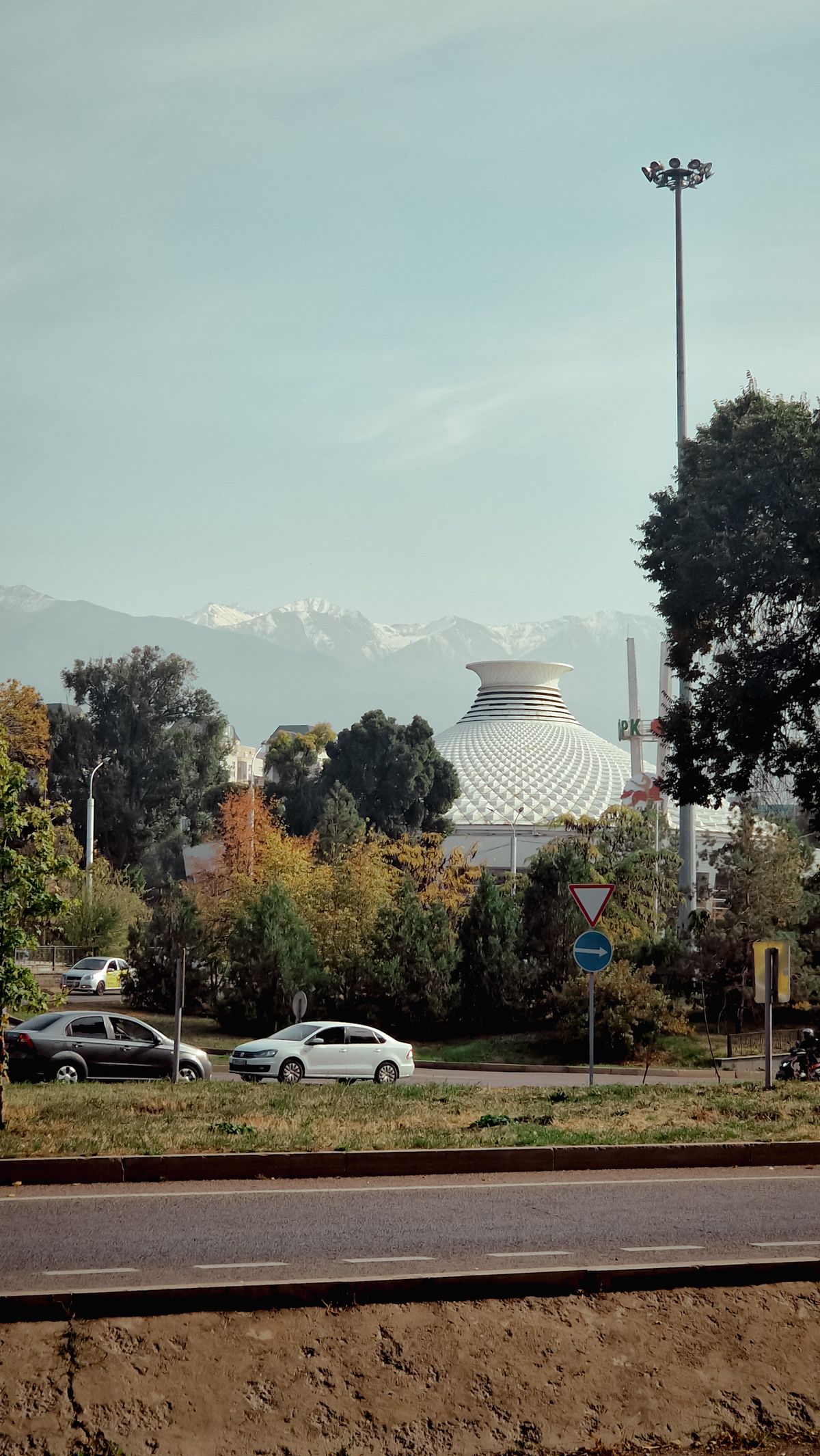
Start with Panfilov Park and the Kok-Tobe cable car, the two sights that anchor most first visits. Panfilov Park holds the Ascension Cathedral, a 56-meter Russian Orthodox church finished in 1907 and famous for surviving the 1911 earthquake that flattened much of the city.
The cathedral is one of the tallest wooden buildings of its kind and is widely described as built with almost no nails, though metal fittings were used in places. Inside and out, it is the most photographed building in Almaty. The surrounding park is shaded, free to enter, and ringed by war memorials worth a slow walk.
For the wider view, ride the Kok-Tobe cable car up the hill on the city's southern edge. Kok-Tobe is the highest point within the city limits at roughly 1,100 meters, and the ride gives you the whole valley with the Alatau peaks behind it. At the top you will find viewing platforms, small rides, and cafes.
Kazakhstan's national tourism board maintains an official overview of the city's main sights if you want to plan a precise walking route (Kazakh Tourism, 2026).
What mountain escapes are within an hour of Almaty?
Medeu is the headline. The outdoor speed skating rink sits at 1,691 meters, making it the highest rink of its kind in the world, and more than 120 world records have been set on its fast, thin-air ice, according to Wikipedia. It is about 15 minutes from the city, open to the public, and ringed by peaks. The thin mountain air is the reason the ice runs so fast, which is why Soviet skaters once came here to chase records.
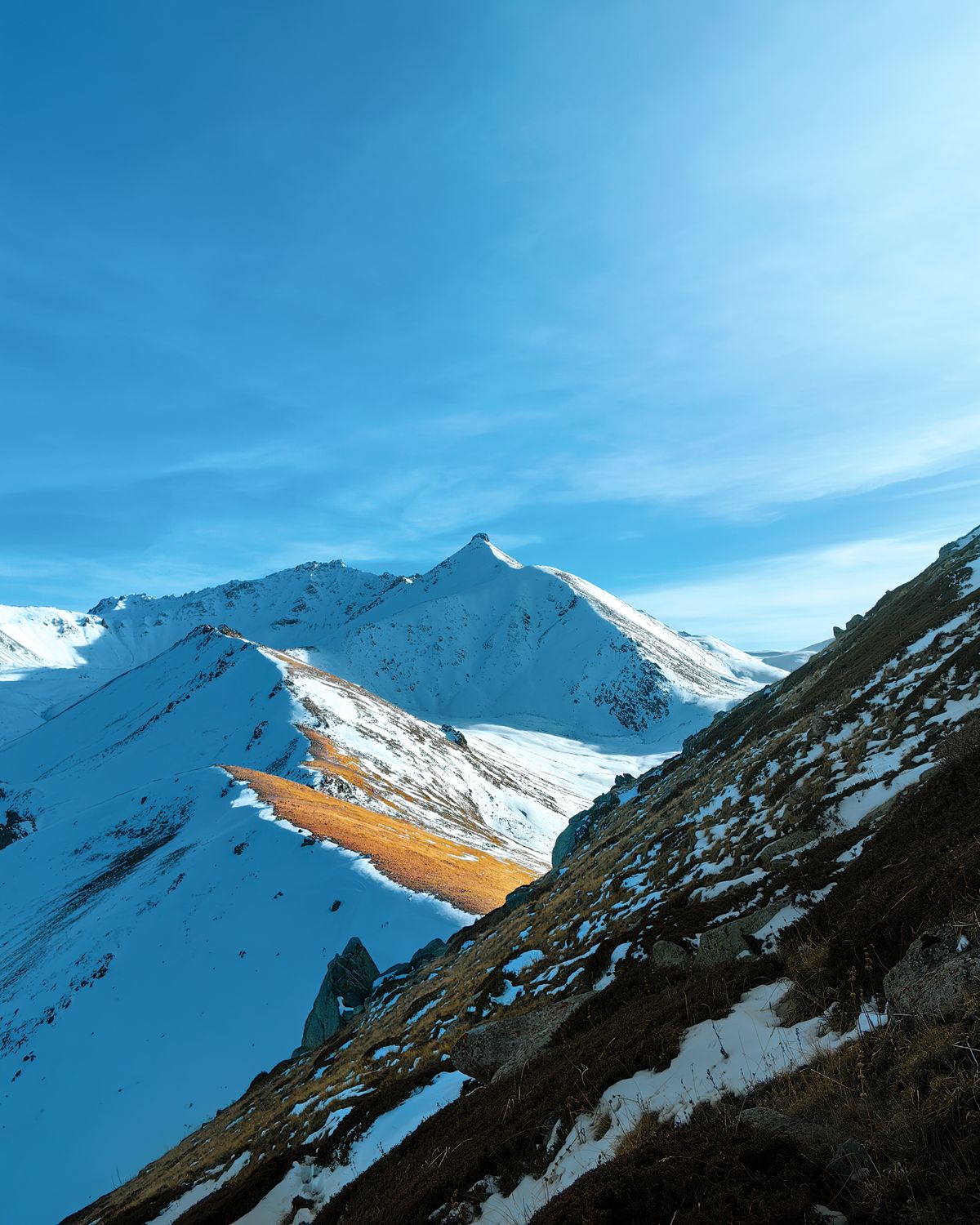
Just above Medeu, a gondola carries you to Shymbulak, the region's main ski resort. Its base sits at 2,260 meters and its upper slopes climb toward 3,200 meters, so even in summer you ride up for cool air and long views. In winter it is the busiest ski area in the country.
Going higher and wetter, Big Almaty Lake is a turquoise glacial lake at 2,511 meters, about 15 km south of the center. The color shifts with the light and season, from deep green to bright blue. The road up passes through forest and is a popular half-day trip. Access can be restricted near the border zone and the observatory above the lake, so check current rules before you go.
What makes these escapes special is how close they sit to the city. In most mountain destinations you commit a whole day to reach the trailhead. In Almaty you can finish a morning coffee downtown and be standing on a glacier-fed shoreline by lunch, then be back for dinner in a city restaurant. That proximity is the single best reason to build at least one mountain day into any itinerary.
For a fuller breakdown of lift tickets and seasons at the resort, see our Chymbulak ski resort guide, and for skating logistics read the Medeo ice rink visitor guide.
Where do you find the markets, museums, and culture?
The Green Bazaar is the place to start. This covered central market has operated for more than a century and is the best single stop for understanding how Almaty eats: dried fruit, horse meat sausage, fresh honey, cheeses, and spices stacked by the stall.
Vendors expect a little back-and-forth, and samples are freely offered, so come hungry and curious. The upper and outer rows sell clothing and household goods, but the food halls are the draw. Give it an hour at least.
For museums, the Central State Museum of Kazakhstan covers the country's history from ancient nomads to the present and holds a replica of the Golden Man, the famous Scythian warrior found in a nearby burial mound. The museum is a solid rainy-day option and sits near the main park strip.
Culture here also means the Arasan Baths, a large Soviet-era bathhouse complex where locals soak and steam. It is an easy, authentic afternoon when the weather turns, and a genuine slice of city life rather than a tourist set piece. Bring sandals and expect separate sections for men and women.
Music and theater run through the city too. The Abai State Opera and Ballet Theatre stages classical performances at prices far below what you would pay in Western Europe, and the First President's Park offers formal gardens with another clean mountain view. If your timing is right, a weekend evening at the opera is a memorable, low-cost treat.
What food and nightlife is worth planning around?
Plan at least one meal around beshbarmak, the national dish of boiled meat and flat noodles, and one around a plov or lagman spot that reflects the city's Uyghur and Dungan influences. Almaty's food runs from hearty nomadic staples to modern cafes, and the quality at street level is high.
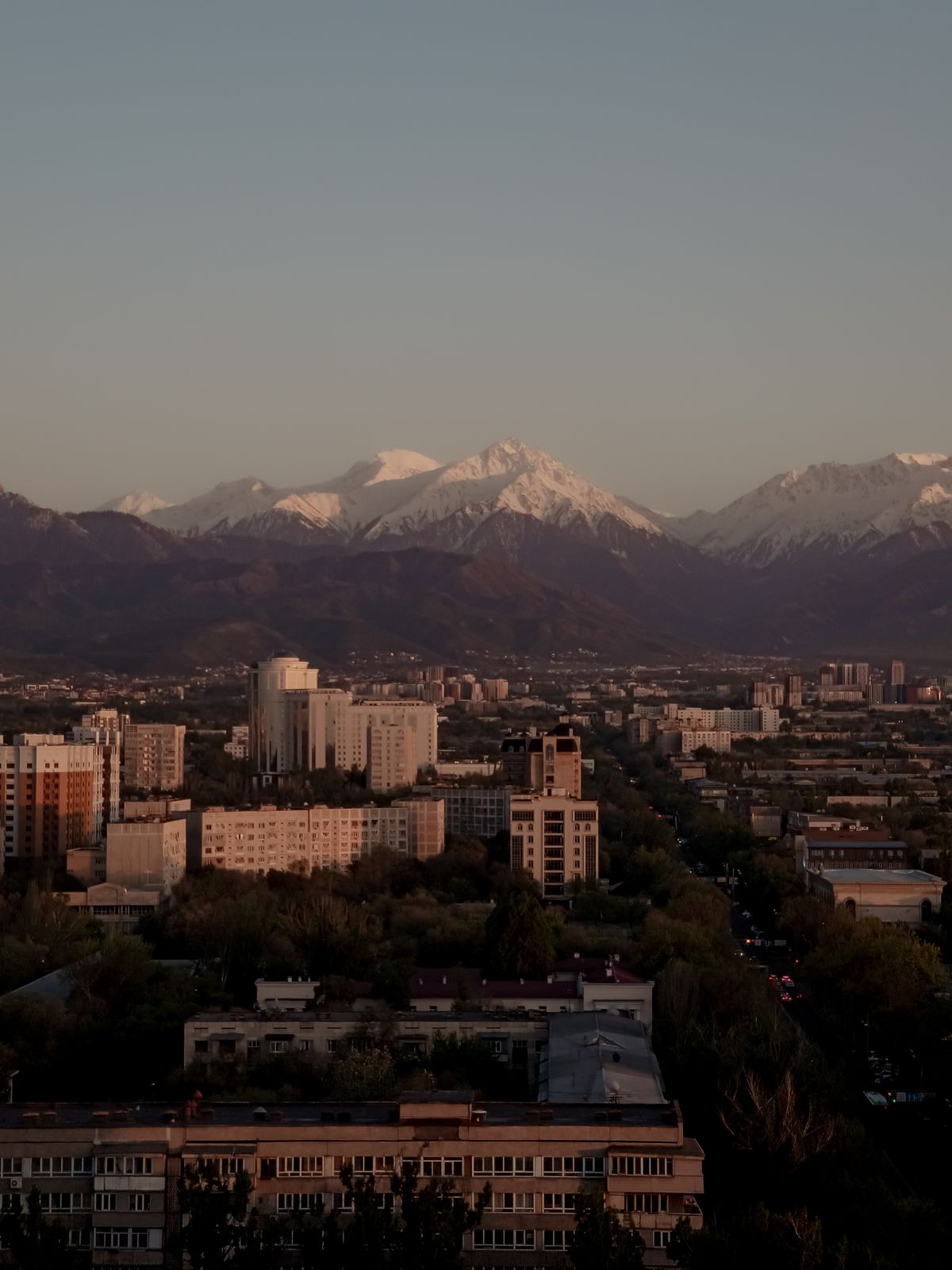
Coffee culture is strong, especially along Panfilov Street and around the pedestrian Arbat, where cafes spill onto the pavement in warm months. For evenings, the area near the Republic Square and the Esentai district has the busiest bars and late kitchens.
Kazakhstan produces its own wine and brandy in the foothills south of the city, and many restaurants pour local labels worth trying. If you prefer a quieter night, a rooftop with a mountain view beats any club for first-time visitors.
One practical note: book a table on weekend nights at the better-known restaurants. The city is more crowded than travelers expect, and the best rooms fill early.
How do you fit the top things to do in Almaty into a short stay?
Three full days is the sweet spot. Spend day one in the center on foot: Panfilov Park, the cathedral, the Green Bazaar, and the Kok-Tobe cable car at sunset. Keep it walkable and finish with dinner on the Arbat.
Give day two to the mountains. Drive up to Medeu in the morning, take the gondola to Shymbulak, and spend the afternoon up high before heading back for an early dinner. Add Big Almaty Lake if the road is open and you want more time outdoors.
Reserve day three for one big trip. Charyn Canyon, about 200 km east, is a roughly 154 km gorge with walls 150 to 300 meters deep, often called the younger sibling of the Grand Canyon, according to Wikipedia. The most famous section, the Valley of Castles, is a short walk of red-orange rock spires that photographs beautifully in late light. It is a long but rewarding full day, and a guide or driver makes the distance painless.
A short visit rewards a little planning. Pick the three days above, book your mountain day around the weather forecast, and let a local operator such as Travel in Almaty handle the long-distance driving so you spend your time looking at the scenery rather than the road. From there, the city does the rest.
Frequently asked questions
What are the top things to do in Almaty for a first visit?
Walk Panfilov Park and the Green Bazaar, ride the Kok-Tobe cable car for city views, and head to Medeu and Shymbulak in the mountains. Add a Charyn Canyon day trip if you have three days.
How many days do you need in Almaty?
Three full days cover the essentials: one for the city center, one for the Medeu and Shymbulak mountain area, and one for a longer day trip such as Charyn Canyon or Big Almaty Lake.
Is Almaty worth visiting for the mountains?
Yes. The Trans-Ili Alatau range sits on the city's southern edge, and Medeu sits at 1,691 meters just 15 minutes from downtown, so serious mountain scenery is reachable the same day you land.
What is the best thing to do in Almaty in winter?
Skating at Medeu and skiing at Shymbulak, whose base sits at 2,260 meters. Both are a short drive from the city and open through the cold months.